Office Address
FLR 1 - FD366 | Saltlake City | India 700106
Phone Number
+91 9007714946
Email Address
hello@rank9digital.com
FLR 1 - FD366 | Saltlake City | India 700106
+91 9007714946
hello@rank9digital.com


 by @Rishi
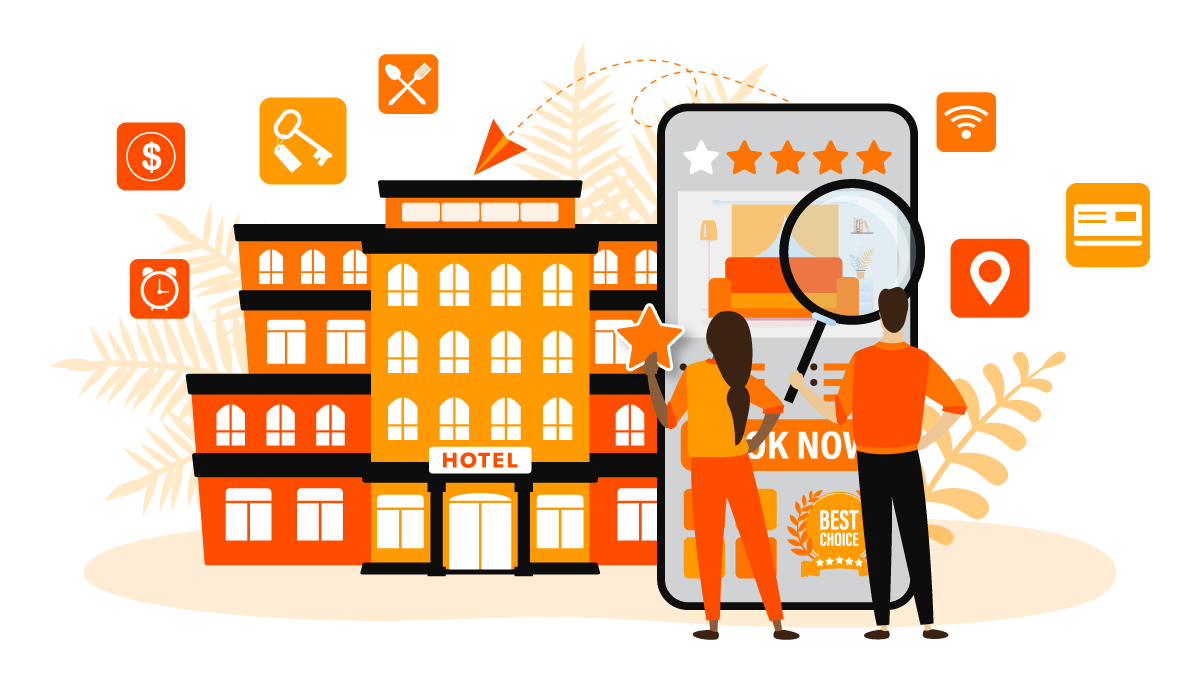
In today’s fast-evolving hospitality industry, digital marketing is no longer a luxury—it’s a necessity. With travelers relying heavily on online platforms to research, compare, and book accommodations, hotels that leverage digital marketing effectively are seeing massive growth in both revenue and brand visibility.
Whether you're a boutique hotel, resort, or budget stay, the right digital strategies can transform your business from struggling with occupancy to consistently achieving high booking rates.
In this blog, we’ll explore 10 powerful ways digital marketing helps hotels increase revenue and visibility in 2026 and beyond.
Online Travel Agencies (OTAs) are helpful—but they come at a cost. Platforms like Booking.com and Expedia charge commissions ranging from 15% to 30%.
Digital marketing helps hotels:
👉 Result: Higher profit margins and better customer relationships
Search Engine Optimization (SEO) allows hotels to rank higher on Google when potential guests search for accommodations.
By targeting high-intent keywords, hotels can:
💡 SEO is a cost-effective, long-term revenue generator.
Google Ads helps hotels appear at the top of search results instantly.
With smart targeting and optimization, hotels can achieve:
👉 Higher conversion rates
👉 Immediate booking increases
Social media platforms like Instagram, Facebook, and YouTube are powerful tools for hotel marketing.
👉 Strong social presence = higher trust and visibility
Digital marketing allows hotels to interact directly with customers.
Engaging with guests:
In 2026, travelers prefer brands that are responsive and interactive.
Online reviews are one of the most influential factors in booking decisions.
Digital marketing helps:
👉 A strong online reputation leads to:
Content marketing is a powerful way to attract potential guests even before they decide where to stay.
This strategy:
💡 Hotels that blog regularly see higher website traffic and engagement.
Modern digital marketing uses AI to deliver personalized experiences.
Benefits:
👉 Personalization is a game-changer in hotel marketing.
Most website visitors don’t book on their first visit. That’s where retargeting comes in.
👉 This significantly increases conversion rates and reduces lost opportunities.
One of the biggest advantages of digital marketing is measurable results.
Hotels can track:
With analytics, hotels can:
👉 Result: Higher ROI and smarter business decisions
In 2026, most hotel bookings happen via mobile devices.
Digital marketing ensures:
👉 A seamless mobile experience directly impacts revenue growth.
Hotels that invest in digital marketing experience:
✔ Increased occupancy rates
✔ Higher direct bookings
✔ Improved brand visibility
✔ Stronger customer relationships
✔ Better revenue management
If you're a hotel owner or marketer, here’s a simple plan to get started:
Build or upgrade your website (fast, mobile-friendly, conversion-focused)
Invest in SEO & local search optimization
Run Google Ads for high-intent traffic
Stay active on social media with engaging content
Collect and manage customer reviews
Use email marketing for repeat bookings
The future of digital marketing in hospitality will focus on:
Hotels that adapt early will gain a massive competitive advantage.
Digital marketing has completely transformed how hotels attract, engage, and convert guests. From increasing visibility on search engines to driving direct bookings and building long-term customer relationships, the impact is undeniable.
By implementing these 10 powerful strategies, hotels can:
👉 Boost revenue
👉 Increase online visibility
👉 Reduce dependency on OTAs
👉 Build a strong, recognizable brand
In a competitive market, the difference between an average hotel and a fully booked one often comes down to how effectively digital marketing is used.
If you want your hotel to thrive in 2026 and beyond, investing in digital marketing is not optional—it’s essential.
The earlier you start, the faster you’ll see results.