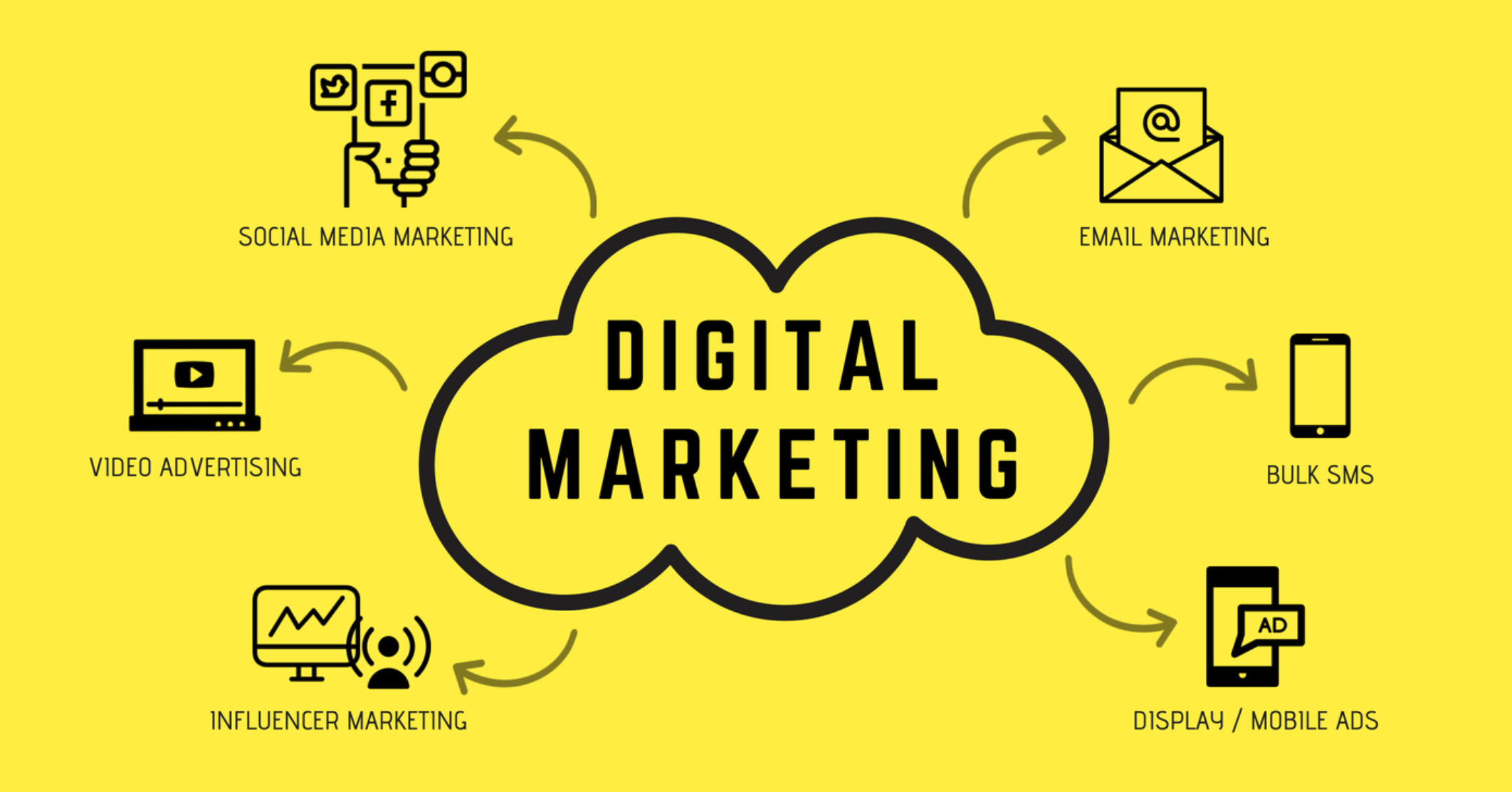
How Digital Marketing Can Skyrocket Hotel Bookings in 2026 (Proven Strategies)

The hospitality industry is evolving faster than ever, and in 2026, digital marketing is no longer optional—it’s the backbone of hotel success. Travelers today don’t just “find” hotels—they discover, compare, and book entirely online, often within minutes.


With increasing competition, rising OTA commissions, and changing guest behavior, hotels that embrace smart digital marketing strategies are seeing massive growth in direct bookings, revenue, and brand visibility.

In this blog, we’ll break down proven digital marketing strategies that can skyrocket hotel bookings in 2026 and beyond.


Why Digital Marketing is Crucial for Hotels in 2026

The modern traveler is digital-first. From Google searches to Instagram reels, every touchpoint influences booking decisions.


  • Over 80% of travelers research online before booking
  • Guests expect personalized recommendations and instant booking options
  • OTAs charge 15–30% commissions, cutting into profits 


At the same time, the industry is shifting towards direct booking ecosystems powered by data, automation, and AI .


👉 This means one thing:
Hotels that master digital marketing will dominate bookings.


1. Build a High-Converting Website (Your #1 Sales Tool)

Your hotel website is not just a digital brochure—it’s your primary booking engine.


Key elements of a high-converting website:

  • Mobile-first design (most bookings happen on phones)
  • Lightning-fast loading speed
  • Easy booking interface
  • High-quality images & virtual tours
  • Clear CTA (Book Now, Best Price Guaranteed)

In 2026, travelers expect frictionless booking experiences, and even a few seconds of delay can cost conversions.


💡 Pro Tip:
Add urgency triggers like:

  • “Only 2 rooms left!”
  • “10 people are viewing this property”

2. Master SEO to Capture High-Intent Traffic

Search Engine Optimization (SEO) remains one of the highest ROI channels for hotels.


Focus on:

  • Local SEO (e.g., “best hotel in Gangtok with mountain view”)
  • Long-tail keywords (low competition, high intent)
  • Google Business optimization
  • Voice search optimization

With AI-driven search becoming more conversational, hotels must create content that directly answers traveler queries .


3. Leverage AI & Personalization (Game-Changer in 2026)

Personalization is no longer a luxury—it’s expected.

Hotels using AI can:


  • Recommend rooms based on user behavior
  • Send personalized offers via email
  • Predict booking intent and target accordingly

In fact, AI-powered personalization is now a baseline expectation in hospitality marketing .

Examples:

  • Returning guest sees “Welcome back + special discount”
  • Family traveler sees “Family room + kids activities”

👉 Result: Higher conversion rates & repeat bookings


4. Dominate Social Media & Short-Form Video

In 2026, social media is a booking channel, not just a branding tool.

Short-form video (Reels, TikTok, YouTube Shorts) drives massive engagement:


  • Over 50% of brands are investing heavily in short videos
  • Travel inspiration often starts with video content

Content ideas:

  • Room tours
  • Scenic views
  • Guest experiences
  • Behind-the-scenes

Platforms like TikTok are even enabling in-app booking journeys, turning viewers into guests instantly .


5. Run Smart Paid Ads (Google + Meta + Metasearch)

Paid advertising remains one of the fastest ways to boost bookings.


Best-performing channels:

  • Google Ads (search intent)
  • Google Hotel Ads (direct booking push)
  • Meta Ads (Facebook + Instagram)
  • Retargeting campaigns

Hotels in 2026 are shifting towards data-driven ad strategies, optimizing campaigns using real-time insights .

💡 Strategy:

  • Target users searching “hotel near me”
  • Retarget website visitors who didn’t book
  • Promote seasonal offers

6. Reduce OTA Dependency & Increase Direct Bookings

OTAs like Booking.com are powerful—but expensive.

👉 Around 26% of travelers now start searches on OTAs

But smart hotels are:

  • Driving traffic to their own websites
  • Offering exclusive direct booking benefits
  • Building loyalty programs

Benefits of direct bookings:

  • Higher profit margins
  • Customer data ownership
  • Better guest relationships

7. Use Email Marketing & CRM Automation

Email marketing is still one of the highest ROI digital channels.


What works in 2026:

  • Automated email sequences
  • Personalized offers
  • Post-stay engagement

Examples:

  • “We miss you” offers
  • Anniversary or birthday discounts
  • Exclusive deals for repeat guests

With first-party data becoming critical, email marketing is a powerful retention tool .


8. Online Reputation = Revenue

Reviews can make or break your hotel.


In 2026:

  • Guests trust reviews more than ads
  • Google & TripAdvisor rankings impact bookings directly


Action steps:

  • Respond to every review
  • Encourage happy guests to leave feedback
  • Highlight positive reviews on your website


👉 Reputation is now a direct revenue driver, not just branding .


9. Invest in Content Marketing & Blogging

Content marketing helps hotels:


  • Rank on Google
  • Educate travelers
  • Build trust


Blog ideas:

  • “Top places to visit in Gangtok”
  • “Best time to visit Sikkim”
  • “Budget travel guide”

This attracts travelers before they even decide where to stay, giving your hotel an early advantage.


10. Use Data & Analytics to Make Smart Decisions

In 2026, data is everything.


Successful hotels:

  • Track booking sources
  • Analyze customer behavior
  • Optimize marketing spend

Hotels using connected data systems can:

  • Identify best-performing channels
  • Allocate budget efficiently
  • Improve ROI significantly 

11. Optimize for Mobile & Instant Booking

Mobile bookings are dominating.


Travelers expect:

  • One-click booking
  • Digital wallets
  • Instant confirmation


Hotels investing in mobile-first experiences are seeing higher conversions .


12. Partner with Influencers & Travel Creators

Influencer marketing is booming in hospitality.


Why it works:

  • Builds trust quickly
  • Showcases real experiences
  • Drives instant bookings

Strategy:

  • Collaborate with travel influencers
  • Offer free stays in exchange for content
  • Use micro-influencers for better ROI

13. Embrace Emerging Trends (Stay Ahead)

To stay competitive in 2026, hotels must adapt to new trends:

  • AI-powered search & booking
  • Voice search optimization
  • AR/VR hotel previews
  • Sustainability marketing

Travelers now expect immersive, personalized, and meaningful experiences .


Final Thoughts: Digital Marketing = Hotel Growth Engine

In 2026, digital marketing is not just about visibility—it’s about driving measurable revenue.

Share: